#1 Lake Atitlan Tour: San Marcos, San Juan & Santiago
$129
6-7 hours
Easy
Our best-selling Lake Atitlan tour, this private boat trip allows you to explore the Mayan v...
Written by Lee Beal
After more than 20 years living and working around Lake Atitlán, one thing has become clear to me: how you get around Guatemala shapes your entire experience of the country.
It’s tempting to rent a car. On paper, it offers flexibility and control. But in reality, driving in Guatemala often means navigating steep mountain roads, unpredictable traffic, and towns that were never designed for parking. Add in livestock on the road and tight market streets, and it quickly becomes more stressful than rewarding.
If you’re planning a trip and wondering about the best way to travel Guatemala, my advice is simple—travel the way locals do.
Chicken buses, fletas, tuk-tuks, and boats form the backbone of transportation in Guatemala, connecting communities while offering a far more authentic experience than traveling in isolation.
If you’re short on time or just want a quick breakdown:
This mix of transport is what makes getting around Guatemala without a car not only possible, but often the better choice.
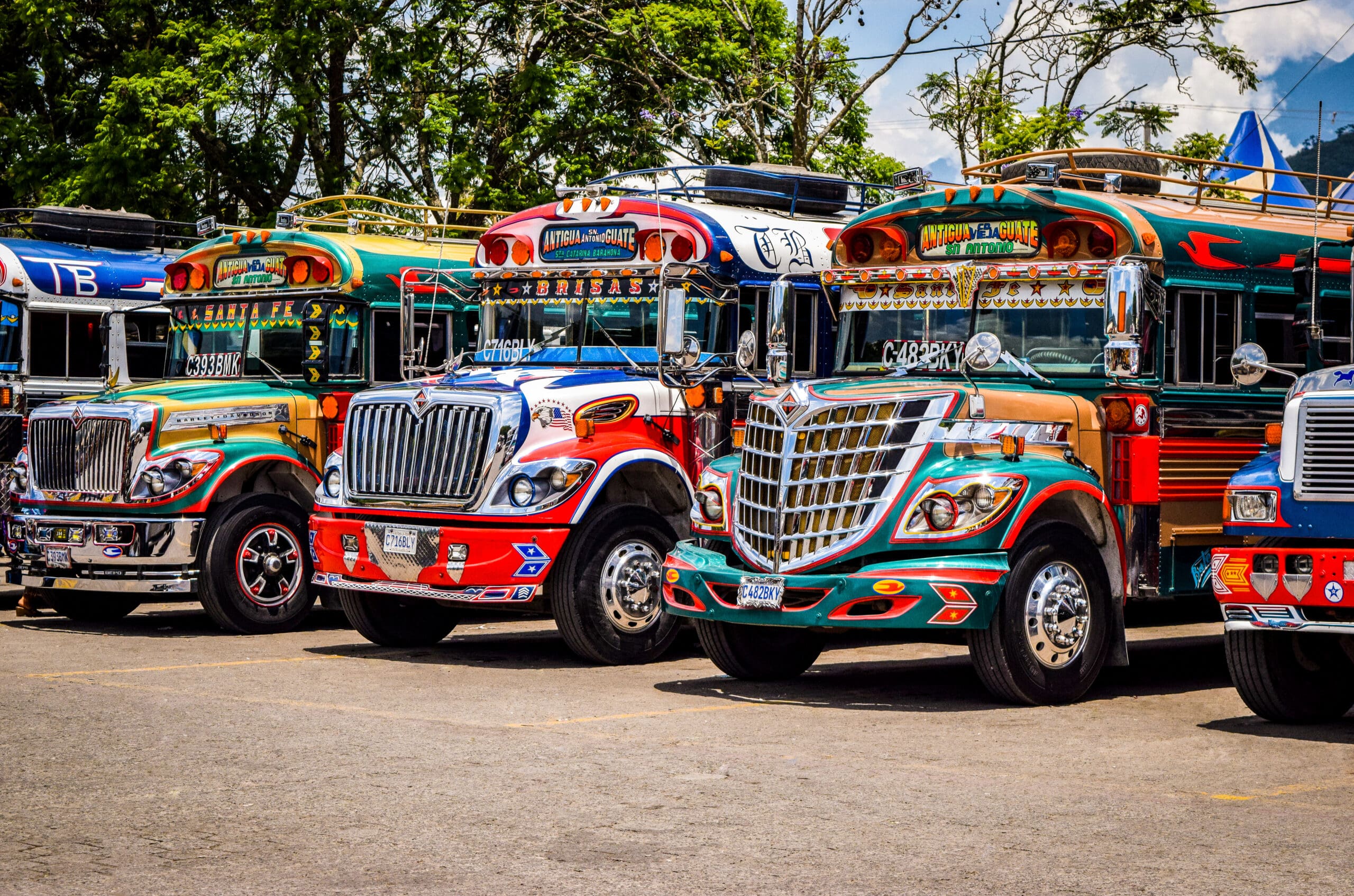
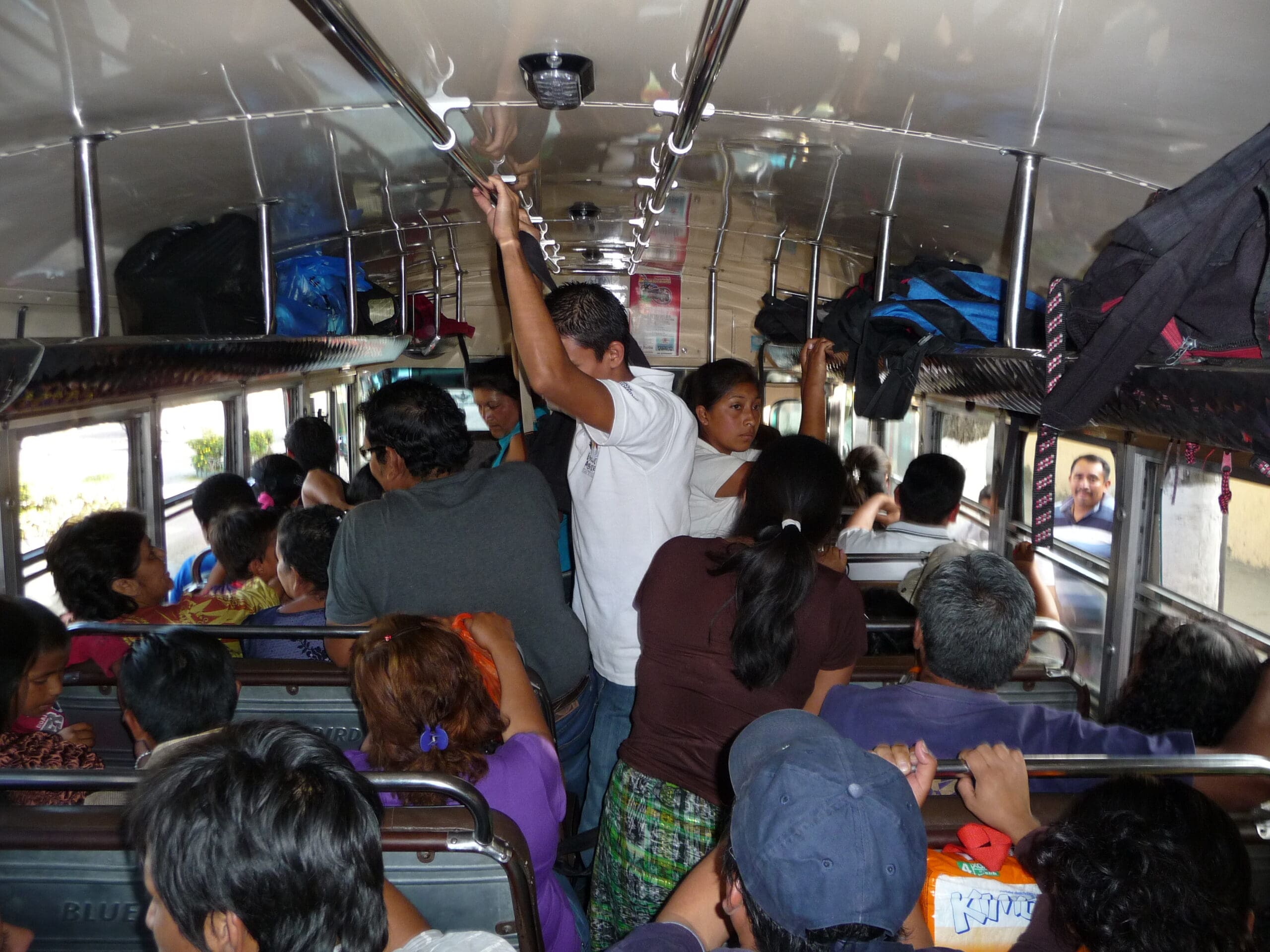
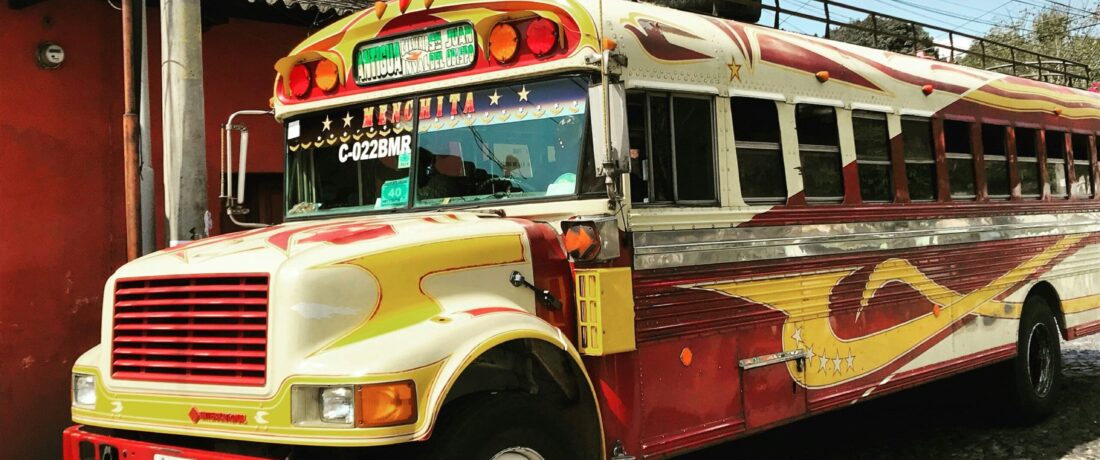
Chicken buses—locally called camionetas—are one of the most recognizable parts of daily life here. These repurposed U.S. school buses are painted in bright colors, often decorated with chrome and personal touches, and serve as the primary form of public transportation in Guatemala.
They run frequently between major cities like Antigua and Guatemala City, as well as into smaller highland towns and villages.
From a traveler’s perspective, riding a chicken bus is an experience in itself. The pace is fast, the space is shared, and the atmosphere is lively. You’ll hear music, see vendors stepping on briefly to sell snacks, and sit alongside locals heading to work, school, or market.
For those wondering, are chicken buses safe in Guatemala? The answer is that they can be used safely with a bit of awareness and common sense.
Practical tips:
For budget travelers and those looking for a more local experience, this is one of the most accessible and affordable ways to travel.
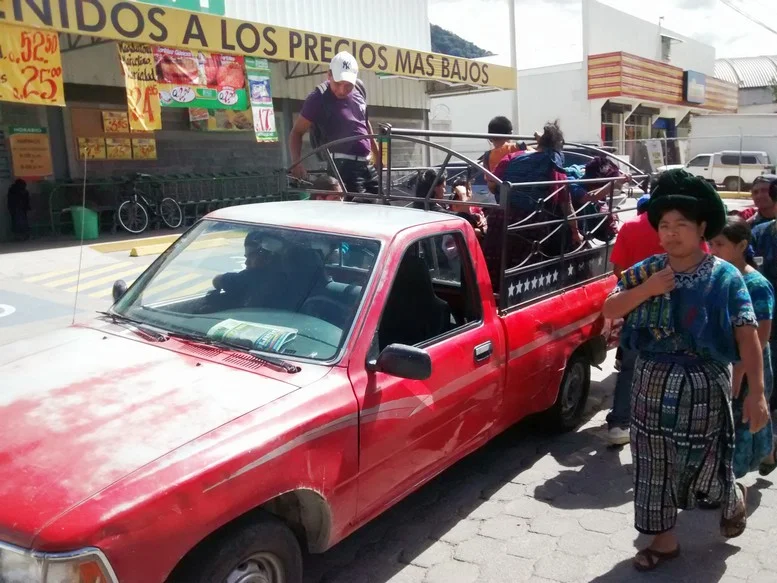
When you leave the main highways and head into more rural regions, you’ll start to see a different kind of local transportation in Guatemala—fletas.
These pickup trucks, fitted with benches in the back, act as shared taxis in areas where buses don’t run. They’re especially common in the highlands, around Lake Atitlán, and on routes like the road from Lanquín to Semuc Champey.
If you’re researching how to get to Semuc Champey from Lanquín, for example, a fleta is almost always part of the journey.
The ride can be rough—unpaved roads, sharp turns, and dust in the dry season—but it also offers a more connected way to experience the landscape. You’re moving through villages, farmland, and mountain roads that most travelers never see from a private vehicle.
What to know:
Fletas aren’t about comfort—they’re about access. They open up parts of Guatemala that feel far less traveled.
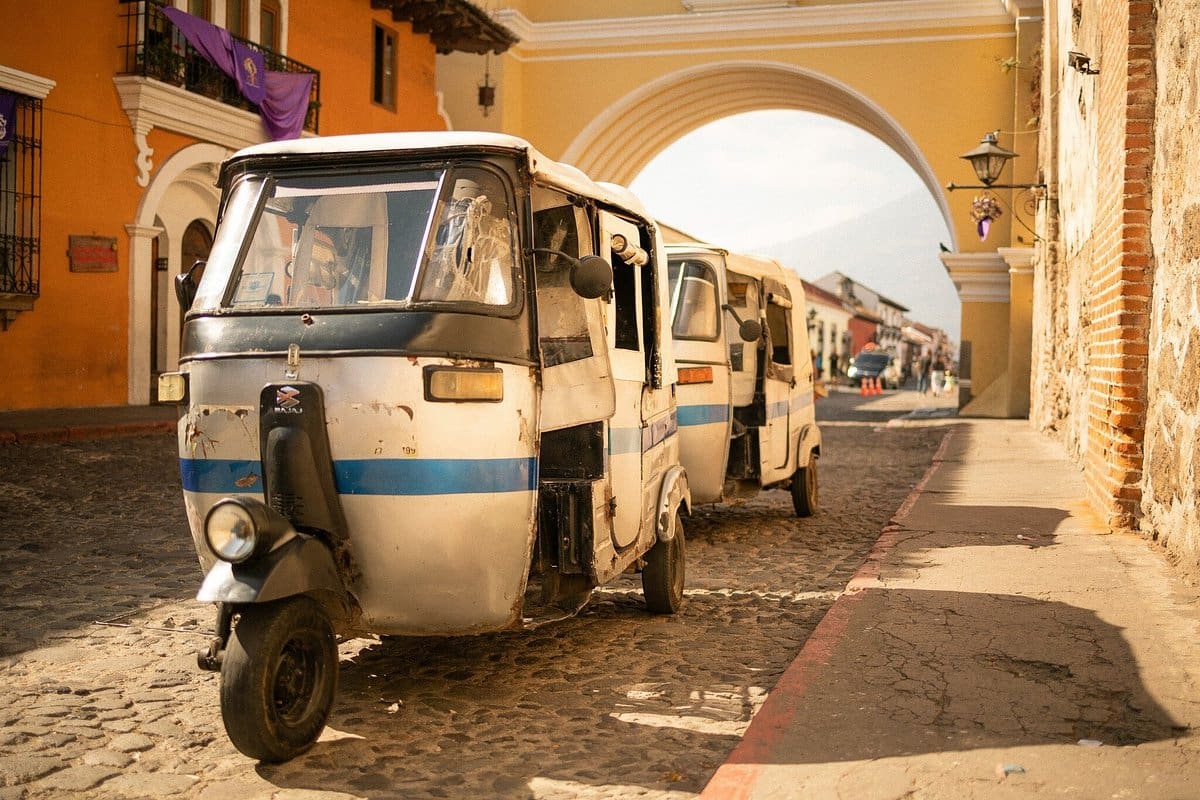
For shorter trips within towns, tuk-tuks are one of the easiest ways to get around.
You’ll find them in Antigua, throughout Lake Atitlán, and in smaller towns across the country. They’re especially useful when navigating cobblestone streets or getting between neighborhoods quickly.
If you’re searching for things like tuk tuk Guatemala price or Antigua tuk tuk cost, you’ll find that fares are generally low, though it’s always best to agree on a price before starting the ride.
Tips for using tuk-tuks:
In some communities, like San Juan La Laguna, electric tuk-tuks are becoming more common, reflecting a growing focus on sustainable tourism.
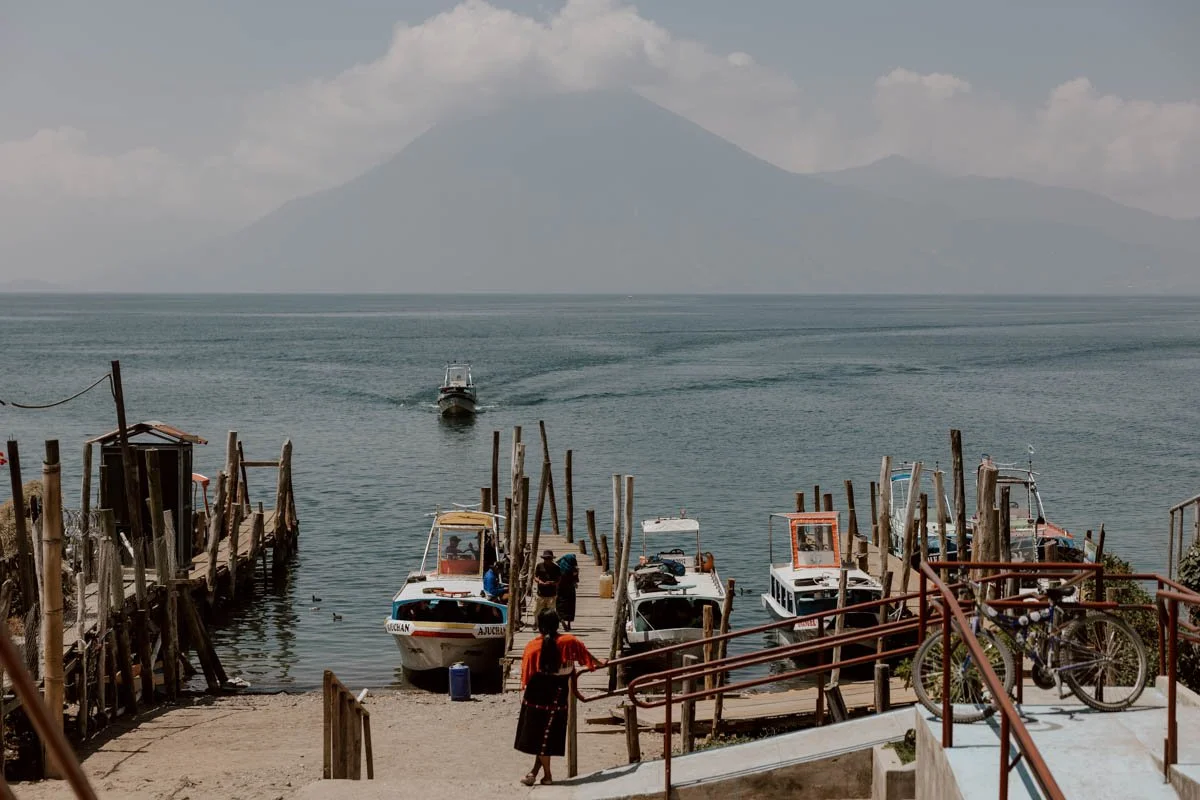
If you’re visiting the lake, understanding Lake Atitlán boat transportation is essential.
Boats—known as lanchas—are the main way to travel between villages like Panajachel, San Marcos, San Juan, and Santiago Atitlán. In many cases, they’re faster and more direct than traveling by road.
For travelers planning routes such as Panajachel to San Marcos boat, public lanchas run regularly throughout the day, departing once they have enough passengers.
Mornings on the lake tend to be calm, with clear reflections of the volcanoes on the water. By afternoon, winds often pick up, making crossings rougher—something we always take into account when planning tours or recommending travel times.
What I recommend after years on the lake:
Even after two decades here, crossing the lake by boat never feels routine. It’s one of the most memorable parts of traveling in Guatemala.
Understanding how to travel Guatemala isn’t just about logistics—it’s about perspective.
These systems—buses, boats, tuk-tuks, and fletas—are how people live their daily lives. They connect families, support local economies, and keep communities accessible across a very diverse landscape.
Choosing to use them, even occasionally, gives you a more grounded and meaningful experience of the country.
Getting around Guatemala is part of the experience, but some of the most memorable moments come when you slow down and spend time in one place.
Around Lake Atitlán, that often means getting out on the water rather than just crossing it. Early mornings tend to be calm, with clear views of the volcanoes, while the shoreline reveals a quieter side of the lake that most travelers don’t see from public boats.
If you have the time, it’s worth building in an experience that goes beyond transportation:
It doesn’t need to be complicated. Setting aside even a day to experience the lake more intentionally often becomes one of the highlights of a trip to Guatemala.
If you’re planning your trip and deciding on the best way to get around Guatemala, I’d encourage you to keep things simple and flexible.
You don’t need to control every detail of how you move through the country. In many cases, the most memorable parts of your trip will happen in between destinations—on a lake crossing, in the back of a pickup truck climbing into the highlands, or on a bus ride filled with everyday life unfolding around you.
If you need help planning routes around Lake Atitlán or organizing your time here, that’s exactly what we do at Kayak Guatemala. Whether it’s kayaking, hiking, or simply figuring out the logistics, we’re always happy to share what we’ve learned living here.
Our best-selling Lake Atitlan tour, this private boat trip allows you to explore the Mayan v...
Visit the famous ceramics studio of San Antonio and the weaving cooperatives of Santa Catari...
Watch weavers hand spin and dye fabric, visit art galleries and learn how midwives use medic...
On the Solola tour you'll spend a day-in-the-life of the Kaqchikel Maya where the grocery sh...