Sustainable Tourism in Lake Atitlán: 7 Ways to Visit Responsibly
Lake Atitlán is one of Guatemala's most beautiful destinations, but growing tourism brings new challenges. Here's how we can explore this incredible place while helping protect it for future generations.
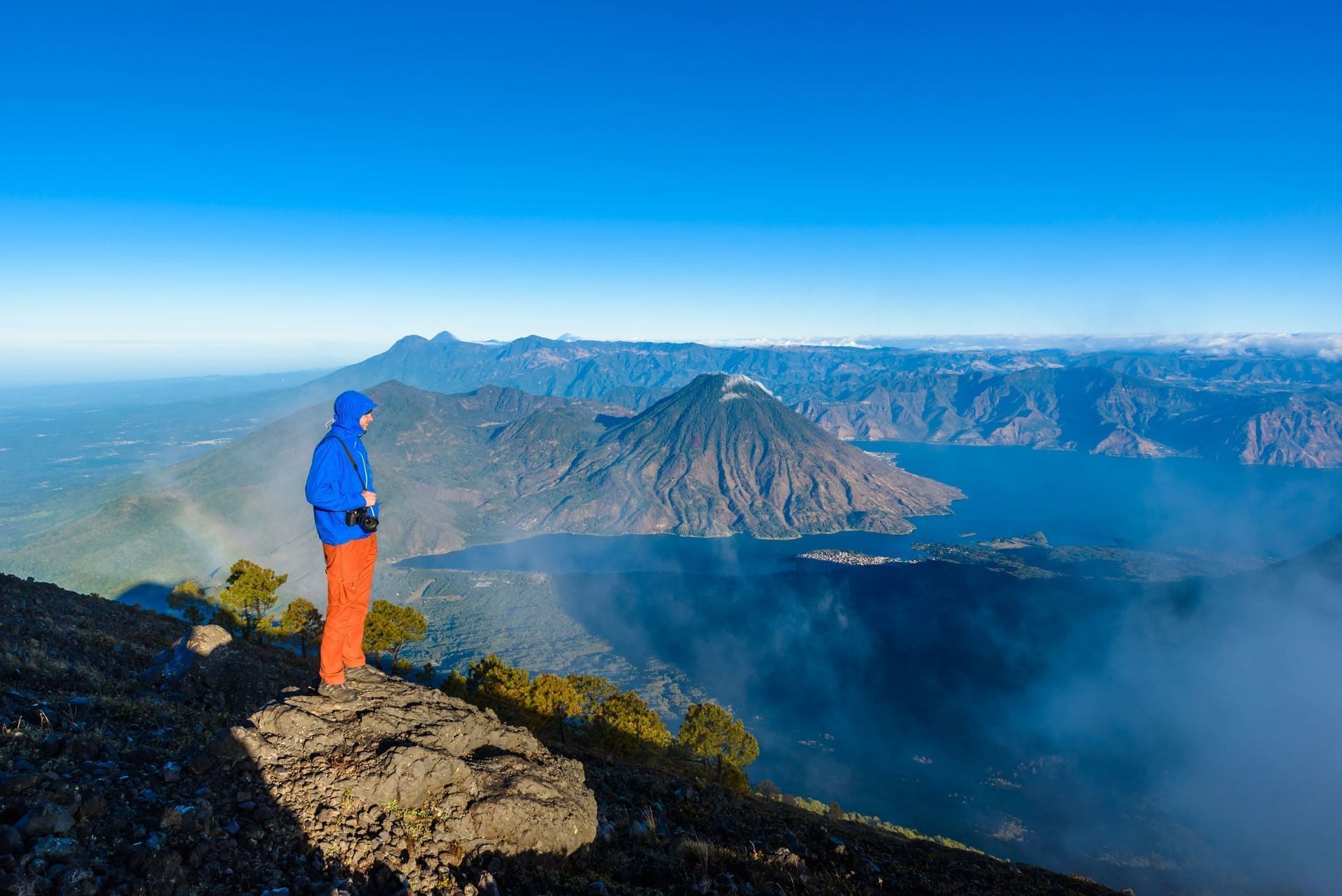
I first came to Lake Atitlán over 20 years ago. I still remember standing on a dock in Panajachel, looking out across the water at the three volcanoes rising above the lake.
It's a view that stays with you.
A lot has changed since then. Lake Atitlán has become one of Guatemala's best-known destinations, attracting travellers from around the world. New hotels, restaurants and tourism businesses have opened, creating opportunities for local families and communities.
And in many ways, that's something to celebrate.
But after more than two decades here, I've also seen the challenges that come with growing tourism. More visitors mean greater demand for transport, accommodation, water and waste management. And when you're dealing with an ecosystem as delicate as Lake Atitlán, those pressures matter.
I'm Lee Beal, from Kayak Guatemala. I've spent years helping people experience this lake, and I believe tourism can be a positive force here, provided we approach it thoughtfully.
So, what does responsible tourism at Lake Atitlán actually look like? And how can you make the most of your visit while helping protect the place you've come to enjoy?
Key Takeaways
- Tourism supports local communities. Choosing locally owned businesses helps keep more tourism spending in the region.
- Lake Atitlán faces environmental challenges. Wastewater, plastic pollution and development place pressure on the lake's ecosystem.
- Responsible travel doesn't have to be complicated. Small choices around accommodation, transport and waste can make a difference.
- Slower travel creates better experiences. Staying longer and exploring by kayak gives you more time to appreciate the lake.
Why Is Lake Atitlán Becoming So Popular?
It's not difficult to understand why people fall in love with Lake Atitlán.
Surrounded by volcanoes and mountains, the lake is home to beautiful villages, vibrant markets, hiking trails and a rich cultural heritage.
It's a place where you can spend your morning kayaking, your afternoon exploring a village and your evening watching the sun disappear behind the volcanoes.
Social media has certainly helped introduce Atitlán to new audiences. But I think what keeps people coming back is something deeper.
There's a pace of life here that's increasingly difficult to find elsewhere.
And there's so much to discover beyond the main tourist spots.
Each village has its own character, traditions and atmosphere. Spend a few days exploring and you'll quickly realise that no two places around the lake feel quite the same.
Tourism also plays an important role in the local economy.
Visitors help support:
- Family-run guesthouses and accommodation.
- Independent restaurants and cafés.
- Local guides and outdoor adventure businesses.
- Artisans, markets and small shops.
- Transport providers and boat operators.
The challenge isn't necessarily that more people want to visit. It's making sure that tourism develops in a way that benefits local communities without damaging the environment that makes this place so special.
What's Happening to Lake Atitlán's Environment?
One of the things many visitors don't realise is that Lake Atitlán is a closed-basin lake.
Unlike lakes with rivers flowing out of them, Atitlán has no surface outlet. Water leaves primarily through evaporation and underground pathways, meaning pollutants can remain in the lake system for long periods.
That makes managing pollution particularly important.
Wastewater and Water Pollution
Wastewater is one of the lake's biggest environmental challenges.
A 2021 scientific review of Lake Atitlán reported that approximately 80% of sewage in the basin was going untreated at the time.
Wastewater can introduce nutrients and harmful microorganisms into the lake, contributing to declining water quality and increasing the risk of cyanobacterial blooms.
These problems affect far more than tourism. They also have consequences for the communities that depend on the lake for their livelihoods and everyday needs.
Plastic Waste and Development
Waste management is another ongoing challenge.
As tourism and development increase, so does the demand for infrastructure to manage rubbish, wastewater and construction.
Some of the main environmental pressures include:
- Untreated wastewater: Pollution entering the lake from surrounding communities.
- Plastic and household waste: Rubbish that can accumulate along shorelines and in waterways.
- Agricultural runoff: Nutrients and other substances entering the lake from surrounding land.
- Development: Construction and land-use changes that can increase pressure on local infrastructure and ecosystems.
Tourism isn't the only cause of these problems. Population growth, agriculture and existing infrastructure challenges all play a part.
But visitors and tourism businesses still have a responsibility to reduce the additional pressure they create.
Lake Atitlán isn't simply a beautiful backdrop for a holiday. It's a living ecosystem and home to communities who depend on its long-term health.
A Positive Step for Lake Atitlán in 2026
There's also reason to be hopeful.
In January 2026, Guatemala's Ministry of Environment and Natural Resources (MARN), Guatemalan Tourism Institute (INGUAT) and Chamber of Tourism (CAMTUR) signed the Pacto por un Atitlán Transparente.
The agreement aims to bring public institutions and tourism businesses together to address some of the lake's most pressing environmental challenges.
Its priorities include:
- Improving wastewater and waste management.
- Reducing pollution and protecting biodiversity.
- Encouraging sustainable practices across the tourism industry.
- Supporting environmental education and community involvement.
- Sharing technical information about water quality and pollution.
It's an encouraging step towards recognising that protecting Lake Atitlán requires cooperation between government, businesses and local communities.
Of course, signing an agreement is only the beginning. What matters now is how those commitments translate into meaningful action.
And while larger environmental challenges require investment and long-term solutions, there are still plenty of ways individual travellers can make more responsible choices.
7 Ways to Visit Lake Atitlán Responsibly
You don't need to give up adventure or miss out on the best experiences to travel more responsibly.
In fact, some of the simplest choices can make your trip more memorable.
1. Choose Locally Owned Businesses
One of the best ways to support the communities around Lake Atitlán is to spend your money locally.
Look for locally owned accommodation, independent restaurants, community-run experiences and guides who know the area.
You'll often get a more personal experience, too.
Local guides can introduce you to places, stories and traditions you might otherwise miss, while helping ensure tourism spending supports people living around the lake.

2. Stay Longer and Explore at a Slower Pace
It's possible to visit Lake Atitlán on a day trip, but I'd always encourage people to stay a little longer if they can.
There's simply too much to experience in a few hours.
Rather than rushing between several villages in a single day, give yourself time to explore properly.
Here are a few ways to slow down:
- Spend a morning kayaking along the shoreline.
- Explore one or two villages rather than rushing through several.
- Stop for lunch at a family-run restaurant.
- Visit local markets and independent shops.
- Make time to enjoy the sunset without worrying about catching the next boat.
Staying longer doesn't automatically make a trip more sustainable, but it can help you make fewer rushed journeys and spend more time supporting local businesses.
And personally, I think it's a much better way to experience Atitlán.
3. Bring a Reusable Water Bottle
Single-use plastics are an unnecessary source of waste, particularly in places where rubbish collection and disposal can be challenging.
Bring a reusable water bottle and refill it from safe, treated drinking-water sources whenever possible.
Many hotels, cafés and accommodation providers offer drinking-water refills.
A reusable bottle is a small addition to your packing list, but it can help reduce the amount of plastic waste generated during your trip.
4. Be Mindful of What Goes Into the Water
Whether you're swimming, kayaking or simply spending time by the shore, remember that what enters the lake can affect its ecosystem.
A few simple habits can help:
- Take all your rubbish with you.
- Never dispose of soap or shampoo directly into the lake.
- Use water thoughtfully at your accommodation.
- Follow local guidance on swimming and water quality.
Small changes won't solve the lake's pollution challenges, but reducing unnecessary waste is still an important part of responsible travel.
5. Explore by Kayak When You Can
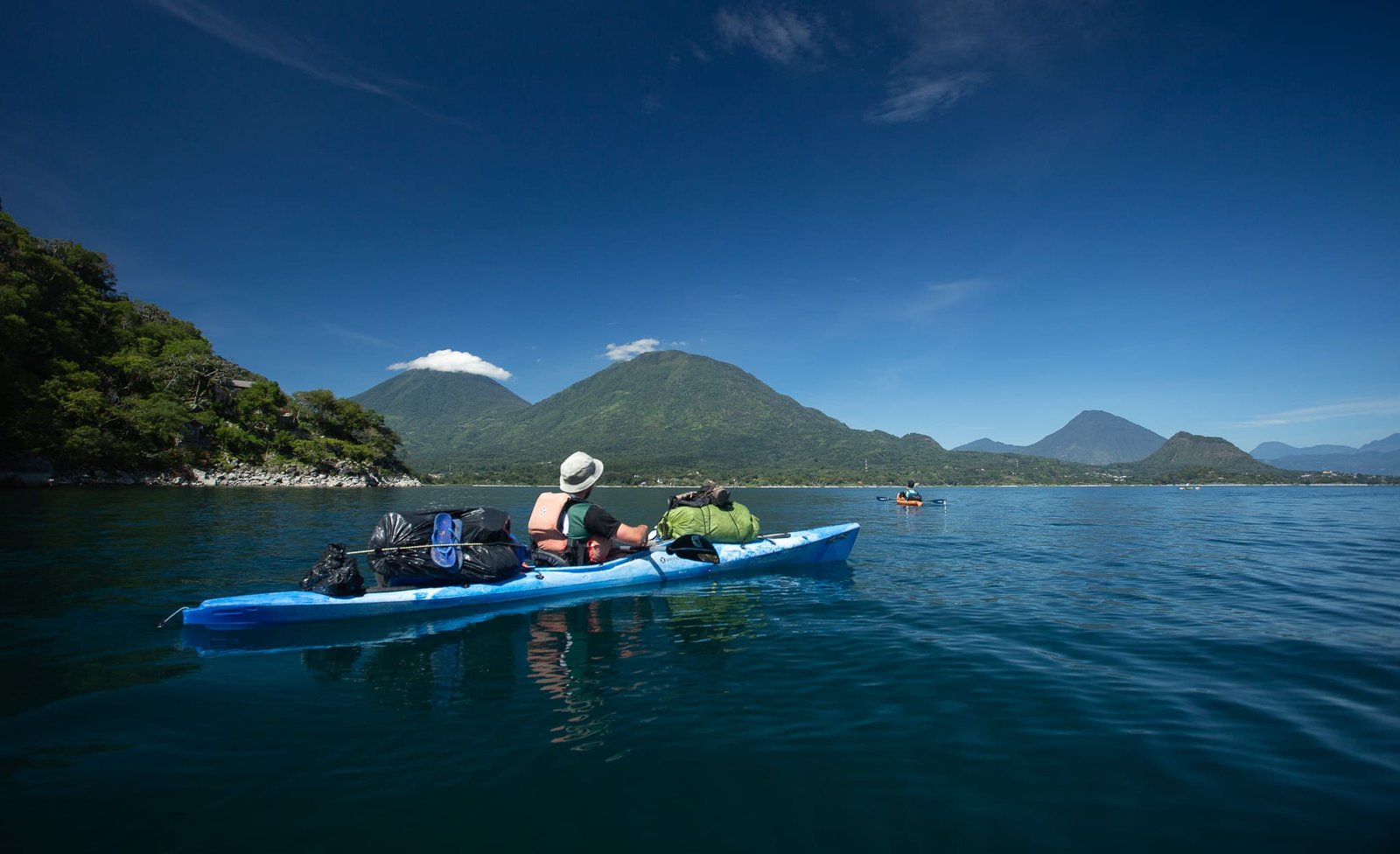
One of my favourite ways to experience Lake Atitlán is from the water.
And yes, I might be slightly biased!
Kayaking allows you to explore without the engine noise or direct fuel emissions associated with motorised boats.
But for me, the biggest difference is the experience itself.
When you're paddling, everything slows down.
You notice the details of the shoreline, the sounds around you and the incredible scale of the volcanoes rising above the lake.
Of course, motorboats remain an important form of transport for local communities and visitors alike. Kayaking isn't a replacement for every journey.
But when you're exploring for pleasure, choosing a human-powered activity can be a wonderful way to experience the lake with a lighter environmental footprint.
6. Respect Local Communities and Traditions
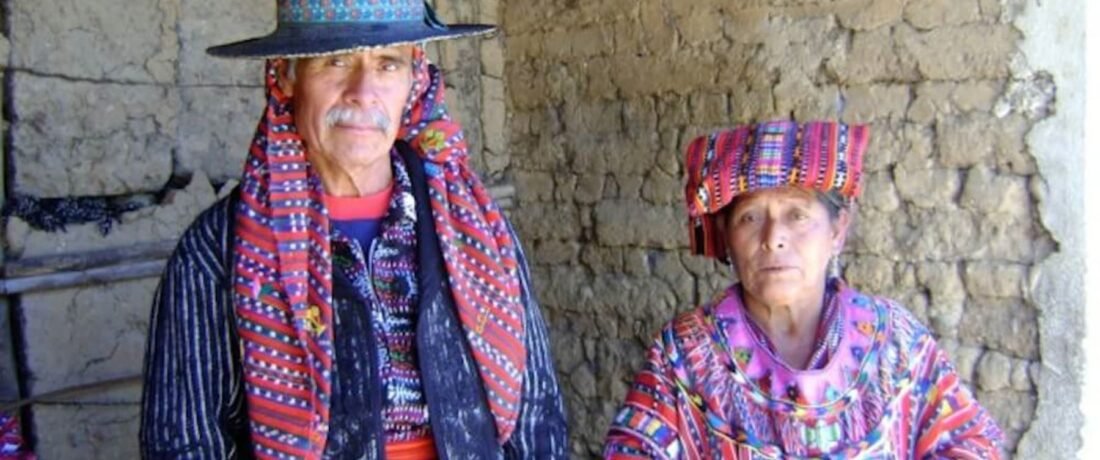
Lake Atitlán is home to Indigenous Maya communities with rich cultural traditions, languages and histories.
These communities are an essential part of what makes the region special.
When visiting villages, remember that you're exploring places where people live and work, not simply tourist attractions.
Some simple ways to show respect include:
- Asking permission before photographing people.
- Respecting local customs and traditions.
- Purchasing handmade products directly from local artisans.
- Supporting experiences led by members of the local community.
Responsible tourism is about protecting cultural heritage as much as the natural environment.
7. Choose Tour Operators Who Take Responsibility Seriously
Not every business that describes itself as eco-friendly operates in the same way.
Before booking an experience, take a moment to look at how the company works.
Questions worth asking before you book:
- Does the company employ local guides?
- Does it respect the communities it visits?
- Does it explain how its activities affect the environment?
- Does it take steps to reduce unnecessary waste?
- Can it provide real examples of responsible practices?
You don't need to find a completely impact-free experience. No form of tourism is entirely without environmental consequences.
But choosing businesses that take their responsibilities seriously helps encourage better practices across the industry.
Discover a Different Side of Lake Atitlán by Kayak
At Kayak Guatemala, one of the things we love most is helping visitors experience the lake from a different perspective.
You can see the volcanoes from almost anywhere along the shore. But being out on the water, looking back towards the villages and mountains, is something else entirely.
Around Santa Cruz La Laguna, there are moments when the water is calm, the shoreline feels wonderfully peaceful and the only sound you hear is your paddle moving through the lake.
It's those moments that remind me why I fell in love with Atitlán in the first place.
Kayaking gives you the freedom to:
- Explore the shoreline at your own pace.
- Experience the scenery without motorboat engine noise.
- Enjoy an outdoor activity powered by your own movement.
- Discover a different perspective of the lake and its villages.
Whether you're visiting Atitlán for the first time or returning to discover more, I'd encourage you to spend at least a little time exploring from the water.
Experience Lake Atitlán from the water.
Discover our kayaking experiences and explore one of Guatemala's most beautiful destinations at your own pace.
Explore Kayak Guatemala's kayaking experiences
Frequently Asked Questions About Responsible Tourism at Lake Atitlán
Is Lake Atitlán Safe to Swim In?
Swimming conditions can vary depending on location, recent rainfall and water quality.
Lake Atitlán has experienced pollution and cyanobacterial blooms in the past, so it's important not to assume that every area is suitable for swimming.
Before entering the water, check current local guidance and avoid swimming near wastewater outlets, visible algal blooms or areas where water quality is uncertain.
Is Kayaking on Lake Atitlán Environmentally Friendly?
Kayaking is a relatively low-impact way to explore the lake because it doesn't require a fuel-powered engine.
However, responsible kayaking also means avoiding litter, respecting wildlife, following local guidance and being considerate of communities along the shoreline.
How Many Days Should I Spend at Lake Atitlán?
I'd recommend at least three days if your itinerary allows.
That gives you time to explore a few villages, enjoy outdoor activities and experience the lake without rushing from place to place.
If you enjoy hiking, kayaking, cultural experiences or simply taking things slowly, you could easily stay longer.
How Can Tourists Help Protect Lake Atitlán?
Some of the most practical steps include:
- Supporting locally owned businesses.
- Reducing single-use plastics.
- Disposing of rubbish responsibly.
- Conserving water.
- Choosing thoughtful tourism experiences.
- Supporting reputable local environmental initiatives.
Final Thoughts: Keeping Lake Atitlán Special for Future Generations
After more than 20 years, Lake Atitlán still has the ability to stop me in my tracks.
The volcanoes, the changing light on the water, the villages dotted along the shoreline. There are things about this place that never get old.
And I want future generations to experience that same feeling.
Tourism has brought opportunities to Lake Atitlán, and I believe it can continue to be a positive force for the region.
But we can't take the lake's beauty for granted.
Protecting it will require better infrastructure, responsible development, action from businesses and government, and support for the communities who call it home.
As visitors, we have a part to play, too.
So come and explore. Spend time in the villages, meet the people, get out on the water and discover what makes this place so extraordinary.
Just remember to give something back to the place that gives us so much.
Planning a trip to Lake Atitlán? Discover Kayak Guatemala and explore the lake at your own pace.