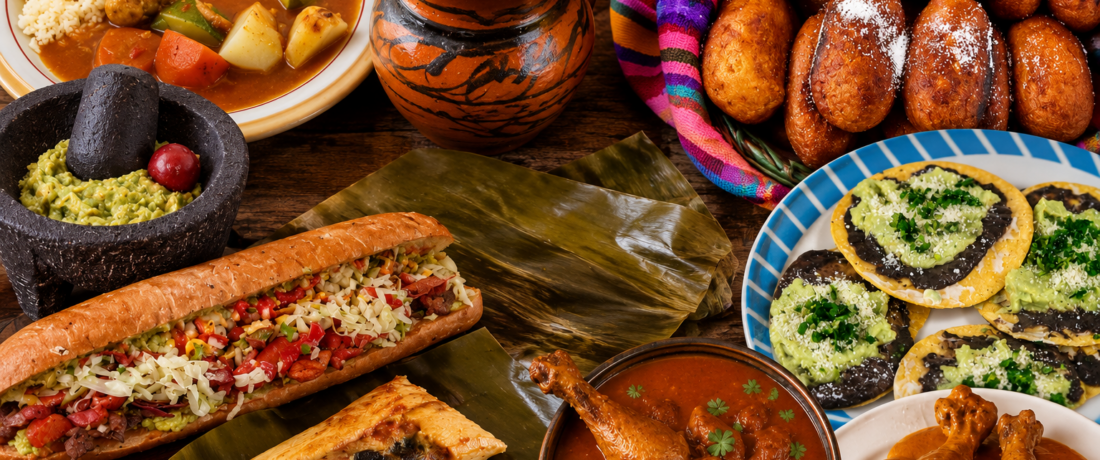
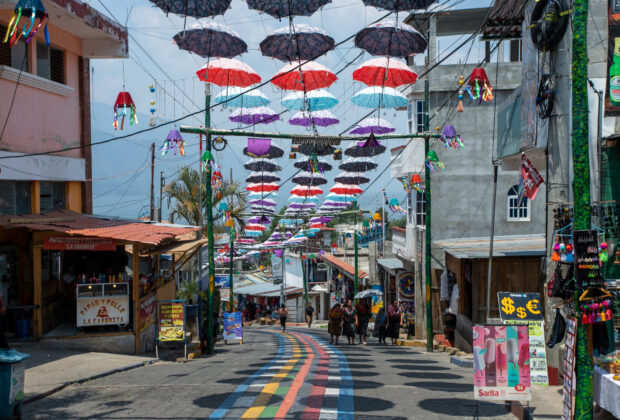
Planning a trip to Guatemala? Discover the country's most authentic dishes, where locals actually eat them, and how you can experience Guatemala's rich food culture for yourself.
When people ask me where to eat in Guatemala, they're often expecting a list of restaurants.
Instead, I tell them to look for the family kitchens, local markets, and tiny village comedores where recipes have been passed down for generations.
I'm Lee Beal, founder of Kayak Guatemala, and after more than 20 years living at Lake Atitlán, I've learned that some of the country's best meals aren't the ones you'll find in the guidebooks. They're the ones shared around someone's kitchen table.
Food is one of the best ways to understand Guatemala. Every dish tells a story about the country's Mayan heritage, local ingredients, and the families keeping these traditions alive today.
In this guide, I'll share 10 traditional Guatemalan dishes you shouldn't miss, where to find the most authentic versions, and a few local tips I've picked up over the years. Along the way, I'll also introduce you to Alicia, a lifelong Lake Atitlán resident whose family recipes have become one of my favorite ways to share Guatemalan culture with visitors.
Key Takeaways
- Discover the 10 traditional Guatemalan dishes every visitor should try.
- Learn why the country's best food is often found in family kitchens and local markets.
- Find out where to eat each dish for the most authentic experience.
- Meet Alicia, a local cook who welcomes visitors into her home to share generations of family recipes.
What Makes Guatemalan Food So Unique?
One of the biggest surprises for many visitors is that Guatemalan food isn't what they expected.
People often assume it will be similar to Mexican food, with lots of spice and bold heat. While the two countries share some ingredients, Guatemalan cuisine has its own identity. The flavors are generally more subtle, built through slow cooking, roasted vegetables, toasted seeds, fresh herbs, and ingredients that have been grown here for centuries.
Corn is at the heart of almost every meal. You'll find it in freshly made tortillas, tamales, atol, and countless other traditional recipes. Black beans, squash, tomatoes, chilies, and local herbs appear again and again, while ingredients like sesame seeds and pumpkin seeds are carefully toasted to create the rich sauces that make dishes like Pepián so memorable.
What I love most about Guatemalan food, though, isn't just the ingredients. It's the way it's shared.
Some of my favorite meals over the last twenty years haven't come from restaurants. They've come from sitting around someone's kitchen table while lunch is prepared, or stopping at a small market stall where there's only one dish on the menu because that's what was cooked fresh that morning.
Those are the moments that stay with you.
As you travel through Guatemala, you'll notice that every region has its own specialties. The highlands are known for hearty stews and soups, the Pacific coast for fresh seafood, and around Lake Atitlán you'll find recipes that have been quietly passed from one generation to the next.
That's why I always encourage visitors to be curious.
If you see a busy local comedor with a handwritten menu, or a market stall with a line of Guatemalans waiting for lunch, don't walk past. Chances are you'll enjoy one of the most authentic meals of your trip.
10 Traditional Guatemalan Dishes You Can't Miss
One of the best ways to get to know Guatemala is through its food. These are the dishes I always recommend to visitors, each offering a glimpse into the country's rich culinary traditions and the families who continue to cook them today.
1. Pepián
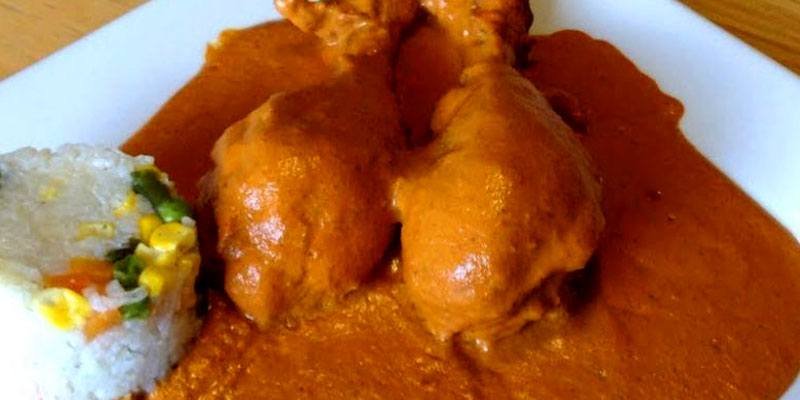
If you only try one traditional Guatemalan dish, make it Pepián. Often considered the country's national dish, this rich chicken stew is made with roasted tomatoes, peppers, sesame seeds, pumpkin seeds, and spices that create a deep, smoky sauce. Skip the tourist restaurants and try it in a local comedor or family kitchen for the most authentic experience.
2. Kak'ik
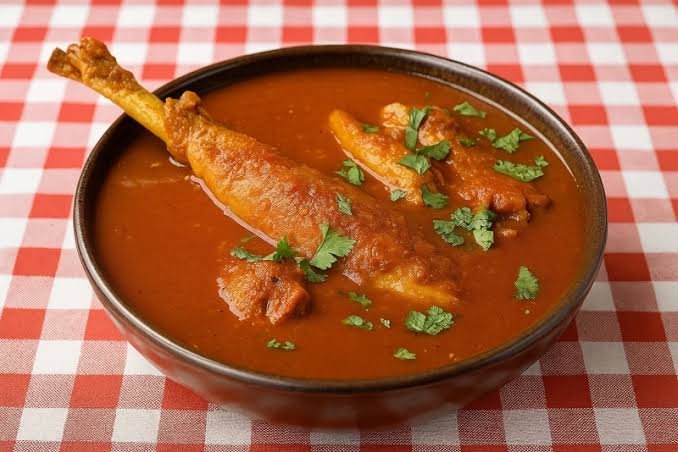
Originating from the Q'eqchi' Maya, Kak'ik is a fragrant turkey soup with a vibrant red broth made from tomatoes, herbs, and achiote. It's comforting rather than spicy and is especially worth trying if your travels take you through the Cobán region.
3. Chuchitos
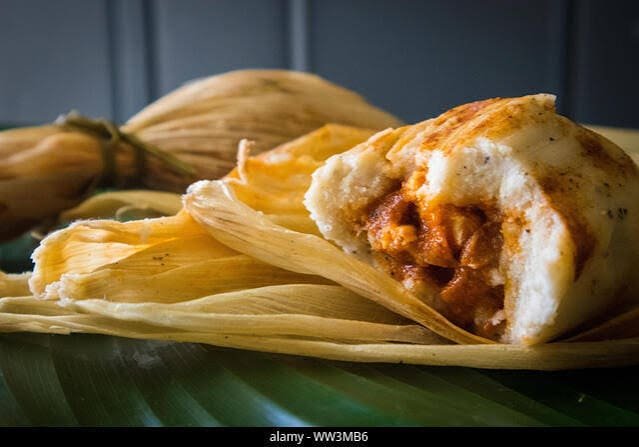
These small corn tamales are one of Guatemala's favorite street foods. Filled with meat and tomato sauce before being steamed in corn husks, they're inexpensive, filling, and easy to find at local markets.
4. Tamales
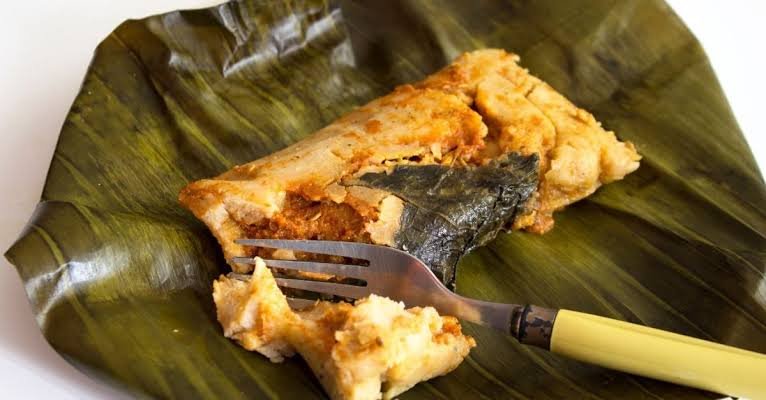
Guatemalan tamales are larger and softer than many visitors expect, often wrapped in banana leaves instead of corn husks. They're traditionally enjoyed during family celebrations, making them a wonderful way to experience Guatemalan comfort food.
5. Shucos
If Guatemala has a signature street food, it's probably the Shuco. This loaded hot dog is topped with ingredients like guacamole, cabbage, sausages, and homemade sauces, creating a surprisingly delicious combination that's popular with locals.

6. Tostadas
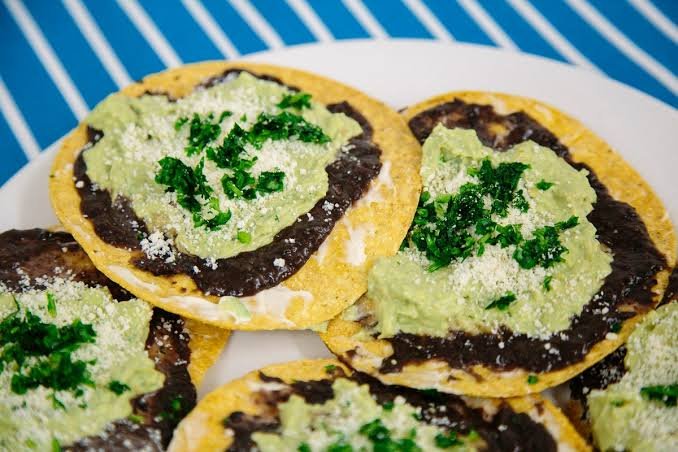
Simple but full of flavor, tostadas are crisp tortillas topped with ingredients like refried beans, guacamole, fresh salsa, or ceviche. They're commonly sold in markets and make the perfect snack while exploring a new town.
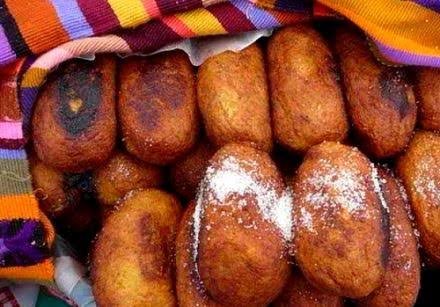
7. Rellenitos
For dessert, don't miss Rellenitos. Sweet plantains are mashed, filled with black beans, lightly fried, and dusted with sugar. They might sound unusual, but they're one of Guatemala's best-loved sweet treats.
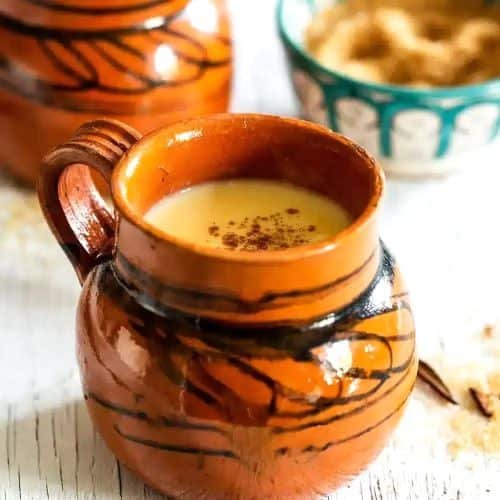
8. Atol de Elote
This warm, creamy corn drink has been enjoyed in Guatemala for generations. Often sold by street vendors, it's especially comforting on cool mornings in the highlands or around Lake Atitlán.
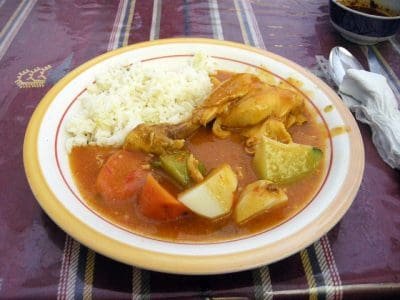
9. Pulique de Pollo
Pulique de Pollo is another traditional chicken stew that's especially popular for celebrations. Thickened with corn masa and flavored with local vegetables and spices, it's a wonderful example of the hearty, home-cooked meals that have brought Guatemalan families together for generations.
10. Guatemalan Coffee
No visit to Guatemala is complete without tasting its coffee. Grown on volcanic slopes around regions like Lake Atitlán, Antigua, and Huehuetenango, Guatemalan coffee is known for its rich chocolate notes, bright acidity, and exceptional quality. Even if you're not a coffee enthusiast, it's worth slowing down for a freshly brewed cup while looking out across the lake.
Where to Find the Most Authentic Guatemalan Food
Now that you know what to look for, the next question is where to find it.
My advice is simple. Follow the locals.
Some of the best Guatemalan meals I've had over the years have come from places I would have walked straight past if I didn't live here. Small market stalls, family-run comedores, and village kitchens often serve food that's been prepared the same way for generations.
Here are the places I'd recommend looking:
- Local markets. Perfect for Chuchitos, Tostadas, Rellenitos, and other traditional snacks.
- Family-run comedores. Often the best place to try home-cooked dishes like Pepián and Pulique de Pollo.
- Village restaurants around Lake Atitlán. Many serve recipes that have been passed down through local families.
- Special celebrations and festivals. If you're lucky enough to visit during a holiday, you'll often find traditional tamales and regional dishes that aren't served every day.
One tip I've learned over the years is not to judge a restaurant by its appearance. Some of the most memorable meals in Guatemala are served in the simplest places, where the menu is handwritten and lunch is whatever was cooked fresh that morning.
That's usually a very good sign.
Go Beyond the Menu. Learn to Cook Guatemalan Food with Alicia
Trying Guatemala's traditional dishes is one thing. Learning the stories behind them is something else entirely.
That's why one of my favorite experiences we offer at Kayak Guatemala is our cooking class with Alicia.
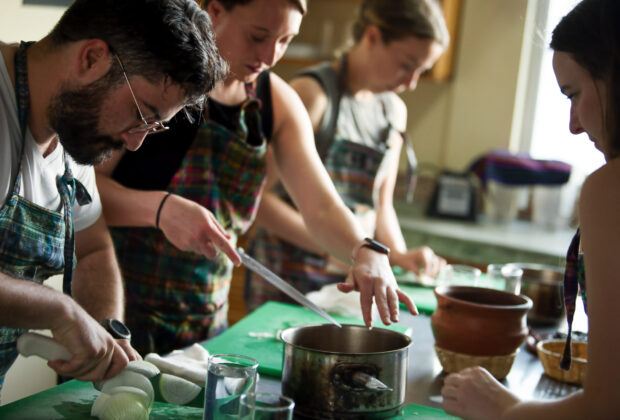
Alicia has lived at Lake Atitlán her entire life, learning family recipes that have been passed down through generations. Today, she welcomes visitors into her own home, where you'll cook together in the same kitchen she uses every day for her family.
Depending on the day, you might prepare Pepián de Pollo, Guatemala's iconic national dish, or Pulique de Pollo, a rich chicken stew traditionally served during celebrations. As Alicia talks you through each step, you'll discover that Guatemalan cooking isn't about rushing a recipe. It's about taking your time, sharing stories, and bringing people together around the table.
What makes this experience so special is how authentic it feels. You're not standing in a purpose-built cooking school. You're chopping vegetables, roasting spices, and sharing lunch in a real Guatemalan home.
The experience also supports the local community. Alicia is a graduate of the Amigos de Santa Cruz Culinary Arts Program, which creates employment opportunities for local people around Lake Atitlán. Every cooking class helps support this important work, making it a meaningful way to experience Guatemalan culture while giving something back.
If you leave Guatemala having done just one food experience, I'd make it this one.
Final Thoughts
After more than 20 years living at Lake Atitlán, one thing has become clear to me.
The meals people remember most from Guatemala usually aren't the ones they planned months in advance. They're the unexpected lunches in a small village comedor, the tamale bought from a market stall, or the family recipe shared around someone's kitchen table.
If you're visiting Lake Atitlán, I'd love to welcome you on one of our adventures. Whether you're joining us on the water, exploring the villages, or spending an afternoon cooking with Alicia in her family home, I hope you'll experience the same warmth, generosity, and incredible food that have kept me here for more than two decades.
Buen provecho, and enjoy every bite of your Guatemalan adventure.