A quieter, more authentic side of Lake Atitlán for travelers seeking real Maya culture beyond the tourist hubs
Most visitors to Lake Atitlán stay where it’s easiest. The docks are busy. The cafés are familiar. The Wi-Fi is strong.
But after 20 years living here, I can tell you — the lake’s heart beats strongest in the quieter villages.
I’m Lee Beal, founder of Kayak Guatemala. I’ve paddled these waters at sunrise, hiked the back trails above the cornfields, and sat in kitchens where tortillas are pressed by hand over open flame. The places that stay with me aren’t the loud ones. They’re the ones where life still moves to the rhythm of farming cycles, weaving patterns, and church bells echoing across the water.
In this blog, we’ll explain why Santa Catarina Palopó and San Antonio Palopó offer a deeper cultural experience, what you’ll actually see and feel when you visit, and how to explore them responsibly and meaningfully during your Guatemala trip.
Key Takeaways
-
These villages offer authentic, living Maya culture — not staged tourism.
-
You can visit both easily by private boat with a knowledgeable local guide.
-
Art, weaving, and ceramics here are rooted in centuries of tradition.
-
Traveling thoughtfully here directly supports local families and cooperatives.
Santa Catarina Palopó: Color, Community, and Living Kaqchikel Tradition
If you’re looking for a place that feels intentional and grounded, this is where I’d take you first.
Santa Catarina Palopó sits just a short boat ride from the busier docks — but culturally, it feels worlds apart.
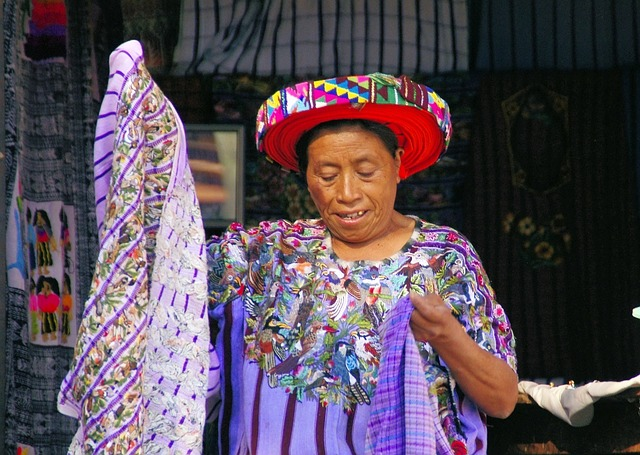
With around 6,000 residents, this Kaqchikel Maya village has retained a strong identity. Fishing boats still line the shore in the early morning. Women walk through the streets in traditional huipiles woven in deep blues and purples inspired by the lake itself.
The Painted Village Project
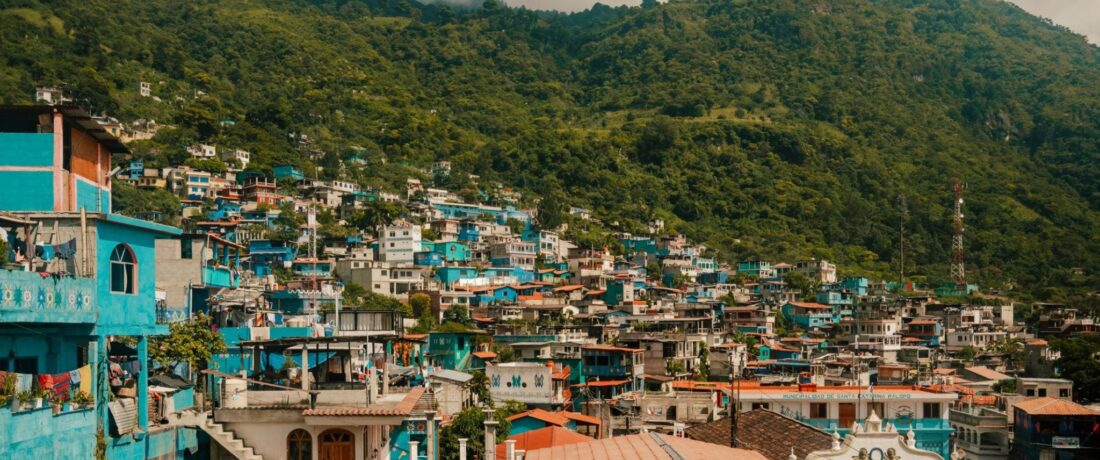
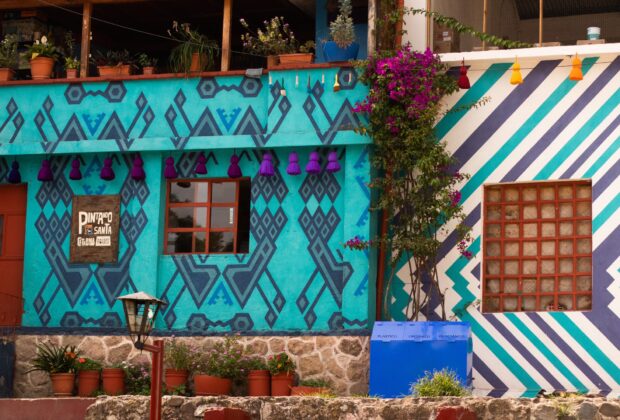
Several years ago, the community launched what became known as the “Painting Santa Catarina Project.” Instead of allowing outside investors to reshape the town, families chose to transform it themselves.
Homes were hand-painted with geometric Maya patterns, deer, maize, and the sacred Ixcot — a two-headed bird symbolizing balance and duality.
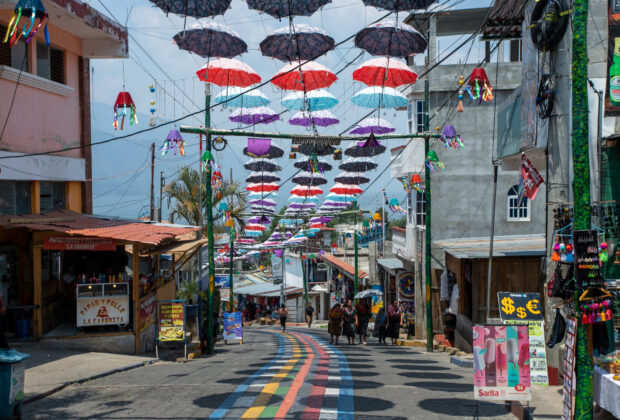
When you walk these narrow streets, you’ll notice something subtle: the colors aren’t random. They reflect local textile patterns and community history.
Practical Tip: Visit in the morning. The light is softer, the streets quieter, and you’ll see daily life unfolding naturally rather than feeling like you’re interrupting it.

Women’s Weaving Cooperatives
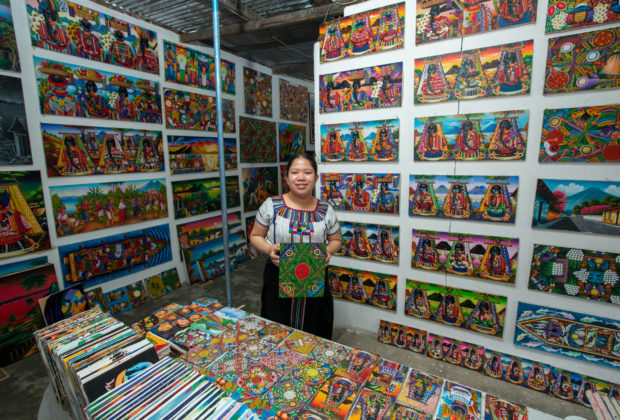
Inside small workshops near the plaza, women weave on backstrap looms — a method unchanged for centuries. The wooden loom presses against the weaver’s body, anchored by a strap around her back. Every movement is controlled by hand tension and experience.
When we visit with guests, we take time here. We ask questions. We listen.
Buying directly from cooperatives ensures that money stays in the village — something I care deeply about after watching how uneven tourism can sometimes be around the lake.
San Antonio Palopó: Clay, Terraces, and Craftsmanship
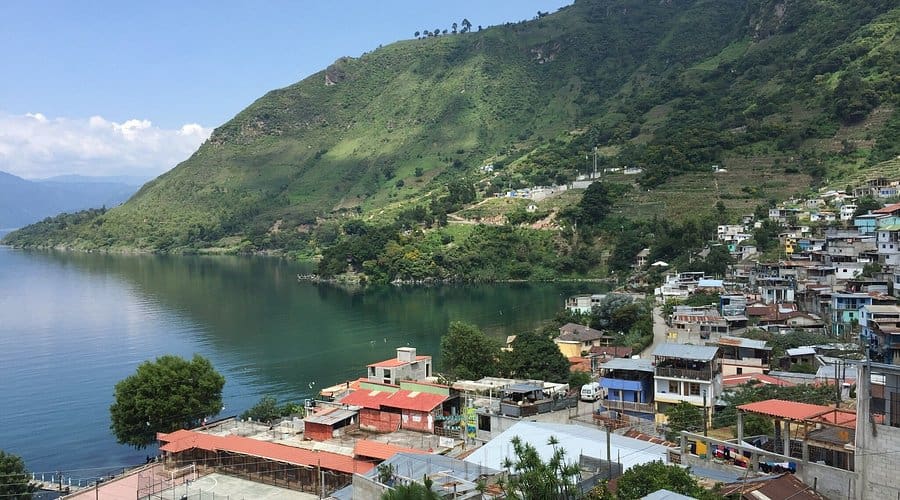
From Santa Catarina, the shoreline curves toward another hillside village that many travelers miss entirely — and that’s part of its charm.
Even though it’s larger than Santa Catarina, relatively few visitors come here.
The Ceramics Legacy
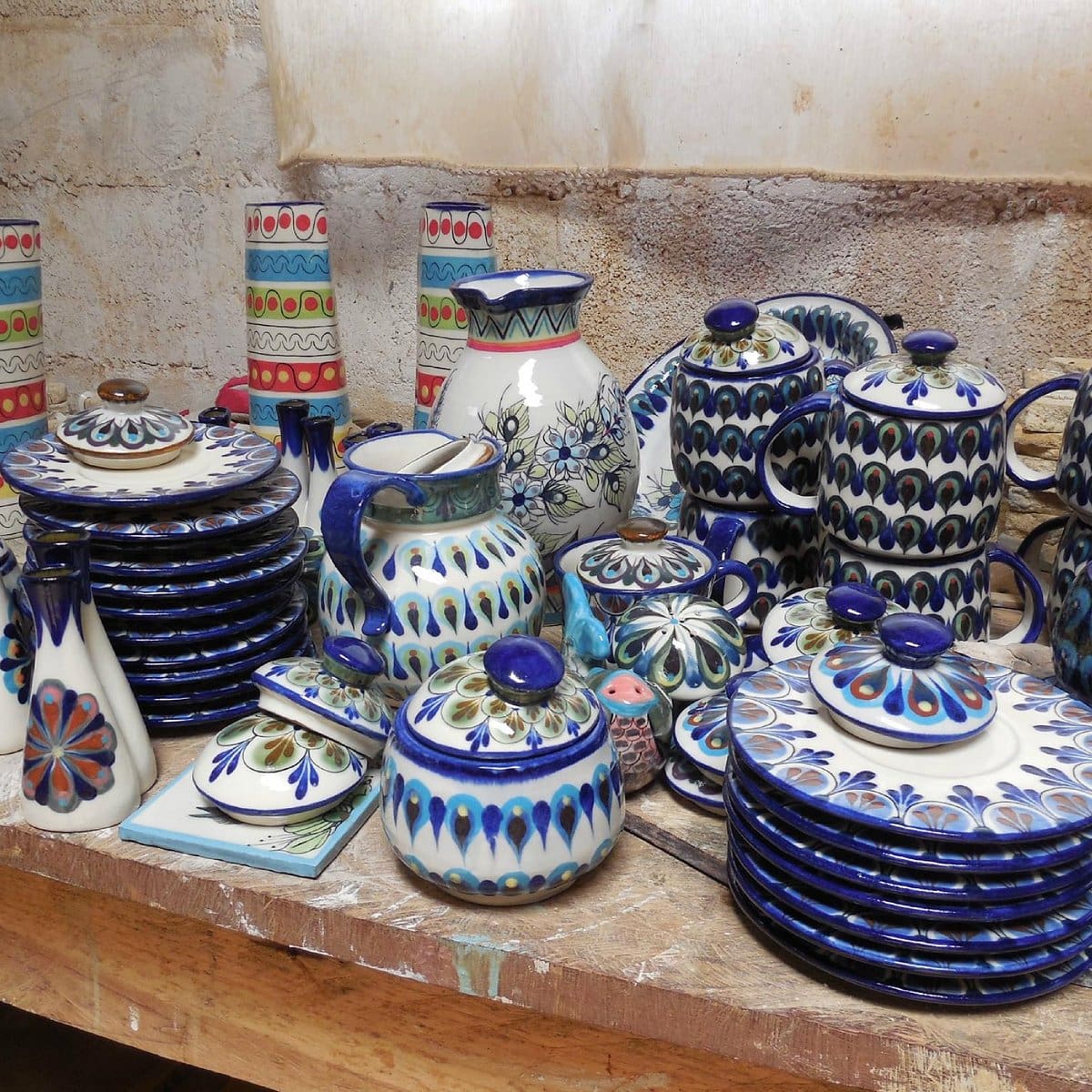
Decades ago, American ceramic artist Ken Edwards arrived in search of high-quality clay. What he found was exceptional local talent. His collaboration helped establish what is now known as MayanKe Ceramics.
Today, local artisans shape, fire, and hand-paint everything from functional dinnerware to intricate decorative pieces.
When I bring guests here, I encourage them to notice the process — the spinning wheel, the careful drying, the steady brushwork. It’s not mass production. It’s generational skill.
Planning Tip: If you’re driving instead of boating, give yourself time. The road is steep and narrow in sections. Personally, I prefer arriving by private boat — the approach from the water gives you perspective on how dramatically the village rises above the lake.
Why We Explore These Villages by Private Boat
There’s something powerful about approaching a Maya village the way families have for generations — from the water.
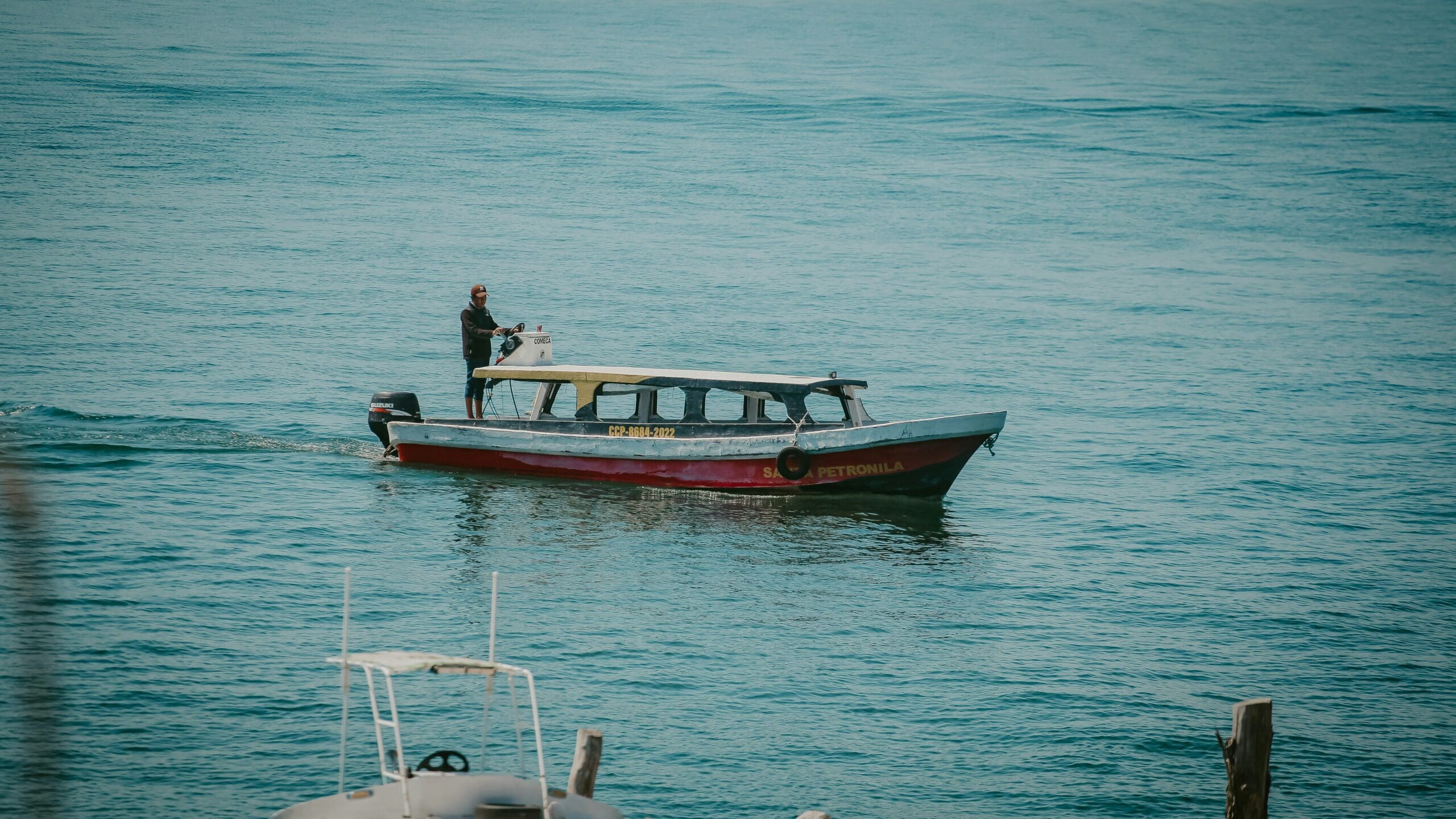
Our private boat tour allows you to travel comfortably with an English-speaking guide who can provide context — not just facts, but cultural understanding.
With us, you’ll:
-
Cross Lake Atitlán with panoramic views of Tolimán, Atitlán, and San Pedro volcanoes
-
Walk Santa Catarina’s painted streets with local insight
-
Visit weaving cooperatives respectfully and without rush
-
Explore San Antonio’s ceramic studios and hillside viewpoints
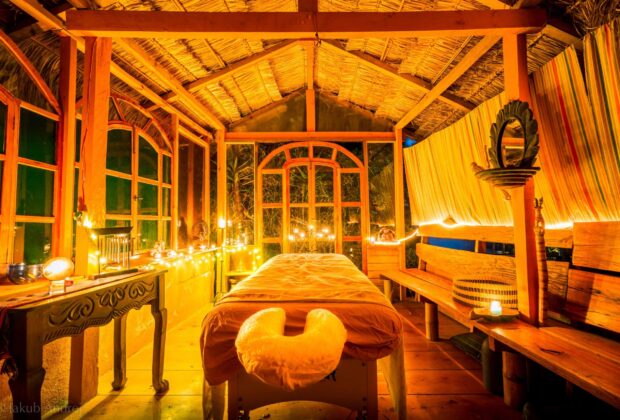
For travelers seeking a deeper spiritual experience, we can also arrange a visit to a local curandera (Maya healer). These ceremonies — focused on protection, clarity, or gratitude — are ancient practices still alive today. They are intimate and deeply personal, not performances for tourists.
Book a Santa Catarina Palopó and San Antonio Palopó tour
Responsible Travel at Lake Atitlán
After two decades here, I’ve seen how tourism can either uplift or overwhelm a community.
Choosing lesser-visited villages spreads economic benefits more evenly. Buying directly from artisans supports families. Visiting with a knowledgeable guide ensures cultural misunderstandings are minimized.
Authenticity here isn’t curated. It’s lived.
If you’re planning a Guatemala itinerary, I recommend balancing well-known towns with quieter experiences like these. Spend a night in a lively hub if you’d like — then step away and listen to the lake in a different way.
Final Thoughts: The Quieter Shore
Santa Catarina Palopó and San Antonio Palopó aren’t tourist traps. They’re living communities — proud, creative, and deeply rooted in Maya heritage.
If you’re the kind of traveler who values connection over convenience, who prefers conversation over cocktails, and who wants your visit to matter — we’d love to take you there.
The lake is wide.
There’s more to it than most people ever see.
And after 20 years here, I’m still discovering new layers — which is exactly why I never stopped exploring.